The Adult Creator Privacy Stack: Tools and Habits That Reduce Doxxing Risk
Privacy for creators is a system, not a setting. The right stack of tools, routines, and boundaries can reduce doxxing exposure materially in practice.
Regulation & Compliance
Editorial Boundary: This article is editorial analysis, not legal, tax, financial, insurance, privacy, or platform-policy advice. Rules vary by jurisdiction, platform, account status, and business structure. Creators should confirm high-stakes decisions with a qualified professional.
Privacy risk for adult creators rarely comes from one dramatic failure. It comes from small exposures that add up: a reused email, a domain registration tied to a home address, a cloud backup link left public, or a social account that reveals a neighborhood by accident. Doxxing is usually an aggregation problem before it becomes a crisis.
That is why a privacy stack matters. A stack is not just software. It is the combination of devices, account structure, content habits, payment separation, and public-facing behavior that makes a creator harder to map. The goal is not invisibility. The goal is to make identification expensive enough that casual attackers move on.
That expense is usually psychological rather than technical. If an attacker has to cross-check several accounts, inspect old records, and spend time correlating small details, many will stop. Most doxxing attempts are opportunistic. The creator who removes the easy route does not need perfection; they need enough friction that low-effort threats lose interest.
Start With A Threat Model
Creators often buy tools before they define the risk. That is backwards. A threat model answers a basic question: who is trying to find you, and what are they likely to know already? An estranged acquaintance, a stalker, a blacklist site operator, and a determined fan all require different defenses. The stack should match the threat, not the other way around.
For many creators, the main exposure paths are social cross-referencing, metadata leaks, domain records, and account recovery compromise. That means the first controls should be the boring ones: separate email identities, unique passwords, device-level authentication, and a clean division between personal and creator accounts. A creator who relies on one phone number and one Gmail account for everything is building a single point of failure.
The practical target is to remove easy joins. If a hostile party cannot connect a creator handle to a legal name, a location, or a payment trail with a few searches, the risk drops sharply. Most harassment campaigns depend on convenience. Remove convenience and you remove a lot of the pressure.
Separate Identity Layers
The strongest privacy setup uses at least three identity layers. There is the public creator identity, the operational identity used for platforms and business accounts, and the personal identity that never appears in outward-facing systems. These should not share recovery details, public-facing bios, or devices whenever possible.
For email, a dedicated domain or alias structure is often worth the small cost. It helps keep platform signups, vendor communications, and fan interactions separate from personal messages. For phone numbers, a secondary number tied to business use can protect the primary line from leaks. For payment and tax records, a creator should assume that some information will always be visible to processors or accountants and focus on minimizing what is visible beyond that.
Device hygiene matters as much as account hygiene. A password manager, hardware authentication where supported, auto-locking devices, and separate browser profiles reduce accidental spillover. The most common privacy breach for creators is not a sophisticated hack. It is logging into the wrong account on the wrong device in the wrong context.
The same logic applies to recovery paths. A secure password is not much help if the recovery email is public, the phone number is reused elsewhere, or a backup code sits in an unsecured note app. Recovery settings are where many privacy setups quietly fail, because they are checked once and then forgotten.
Public Footprint Control
The public footprint is where most doxxing starts because it is easiest to search. Reverse image search, username reuse, old forum profiles, and metadata in photos can all reveal patterns. A creator should treat every public asset as if it may be copied and reviewed out of context. That does not mean posting nothing. It means posting with an understanding that convenience is visible.
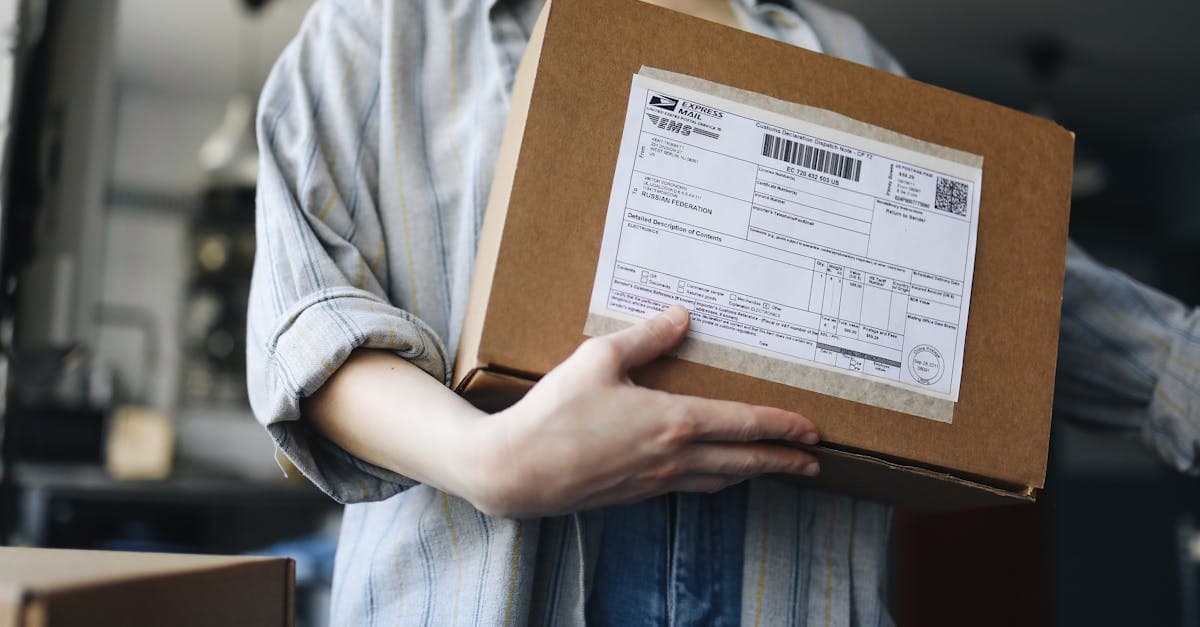
One simple rule is to strip location clues before publishing. Landmarks, reflections, package labels, road signs, and routine timing can all leak more than creators expect. Another is to avoid repeating distinctive language across accounts. A rare phrase used in a personal Instagram bio and a creator page can be enough for a dedicated searcher to connect the dots.
Creators also need to be careful with content reuse. A clip, preview, or teaser that appears across multiple platforms can be valuable marketing, but the file should be cleaned of metadata and reviewed for visual identifiers. Privacy is often lost in the details nobody notices during posting.
This is also where workflow matters. A creator who exports, edits, stores, and uploads content through the same folder structure every time is easier to secure than one who improvises with random files and shared drives. Consistent file handling makes it easier to strip metadata, isolate sensitive assets, and audit what actually left the device.
Build Routines, Not Just Rules
The best privacy systems are repeatable. A weekly routine that checks account recovery settings, scans public search results, and reviews uploaded files for metadata will do more than a one-time security sprint. If the process is not recurring, it will drift. Drift is how creators get exposed six months after they thought they were done.
Creators should also define what they will not do in public. That includes showing delivery labels, discussing neighborhood details, revealing regular travel windows, or posting live from a place they return to often. A privacy stack is not only about tools. It is also about restraint. The less routine a creator's public life looks, the harder it is to map.
This is where planning beats improvisation. If the creator knows how they post, what devices they use, and how they respond to suspicious contact, they can act fast when a leak appears. Panic is what turns a small exposure into a larger one.
The response plan should include a contact list, a takedown log, and a short set of prewritten responses for collaborators or fans who ask questions after an incident. Creators do not need a crisis communications department, but they do need a plan that stops them from improvising under pressure.
Operational Hygiene
Privacy is easiest to maintain when the operating process is boring. Files should be exported the same way, posted from the same kind of environment, and reviewed with the same checklist before they go live. Consistency makes mistakes easier to spot because anything out of pattern stands out immediately.
Creators also benefit from periodic audits of public profiles and recovery settings. A changed email, an old number, or a forgotten backup account can become a weak point months later. Checking those details on a schedule is less dramatic than reacting after a leak, but it is far more effective.
Privacy tools also need maintenance. A masked phone number, domain registration, password manager, and removal request system only work if they stay current. Creators should review old bios, link hubs, image metadata, public records, and inactive accounts on a regular schedule. Doxxing risk often comes from forgotten breadcrumbs rather than one dramatic mistake, so the privacy stack has to include cleanup.
Action Items
- Record the current baseline for exposed identifiers, access logs, takedown response time, and account recovery readiness before changing the workflow.
- Identify one risk tied to turning a routine workflow into a doxxing, chargeback, or account-takeover event and decide what would trigger a pause.
- Review the result after 14-30 days instead of reacting to one strong or weak day.
- Keep the tactic only if the next billing cycle still supports the original result.
Get the pulse, weekly.
Platform news, creator economy trends, and industry analysis — delivered every Friday.