Authenticity Paradox: Why the Most 'Real' Creators
Creator authenticity often looks spontaneous, but the most effective adult creator brands use planning, boundaries, and calculated access..
Commentary & Cultural Analysis
Authenticity has become one of the most overused words in the creator economy because it names two different things at once. On one hand, it means being honest enough that an audience believes the person behind the account is real. On the other, it means a brand posture that feels unforced, intimate, and spontaneous. In adult creation, those two meanings often conflict. The more strategically a creator manages their persona, the more "real" they may seem to subscribers. The more genuinely unfiltered they are, the harder it can be to keep the business scalable.
That paradox matters because authenticity is not just a moral value in this market. It is a conversion tool. Subscribers pay when they believe a creator is talking to them as themselves rather than as a generic character. But a creator who truly behaves without structure can burn out, alienate fans, or leak too much private life into public view. The result is a business environment where the strongest brands are often built on hidden discipline.
Why Authenticity Sells
People buy from creators they believe. That sounds obvious, but the mechanism is more specific. In an oversupplied attention market, authenticity functions as a filter for trust. When a subscriber thinks a creator is consistent, direct, and emotionally legible, they are more likely to tip, renew, or buy premium content. The purchase is not only about desirability. It is about the confidence that the creator's voice is coherent across posts, messages, and public-facing behavior.
This is why a creator who shares a controlled amount of vulnerability can outperform one who appears perfectly polished. Imperfection reads as human. Human reads as trustworthy. Trustworthy reads as worth paying for. The industry knows this, which is why the most effective branding often looks casual even when it is operationally rigorous. The creator who says "I just post what feels right" may in fact have a calendar, a tone guide, and a segmented messaging system behind the scenes.
Strategy Behind the Seeming Spontaneity
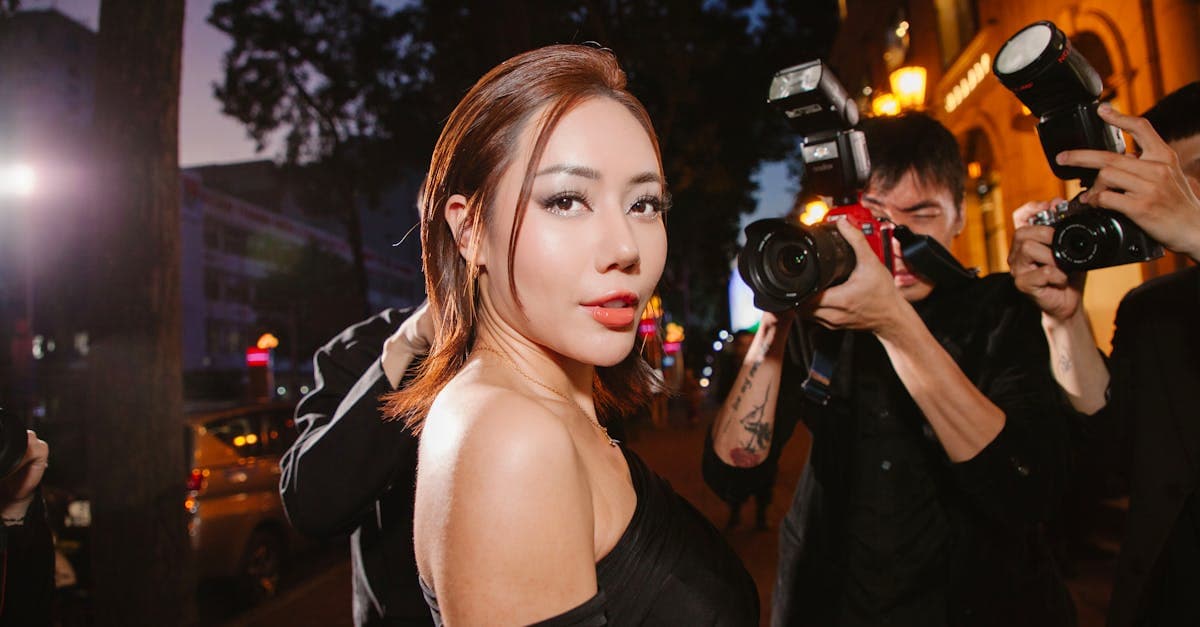
The easiest way to understand the paradox is to treat authenticity as choreography. A creator decides which parts of their life are visible, which are edited, which are repeated as signature traits, and which are deliberately left vague. That does not make the persona fake. It makes it designed. Every working creator is choosing what counts as a truthful signal and what gets withheld for privacy, safety, or brand clarity.
This shows up in content cadence, tone, and messaging style. A creator who seems impulsive may be posting from a tightly managed framework that gives the audience the illusion of unplanned access. The audience rarely punishes that structure when it works. In fact, they often reward it because structure produces consistency, and consistency is what makes the intimacy feel stable enough to monetize.
The Cost of Being Too Real
Being too real can damage the business faster than being too polished. If a creator shares every mood swing, private conflict, or financial stressor, the account can become emotionally noisy. Fans may feel close, but they may also feel burdened. The feed stops feeling like an experience and starts feeling like a crisis log. That makes revenue more volatile because the business depends on the audience's ability to enjoy the persona without being dragged into every private complication.
There is also a boundary cost. Creators who expose too much of their actual life can create friction with partners, friends, landlords, and family members who did not consent to being part of the product. Once the private self becomes too visible, the account starts to consume the person rather than represent them. The creator then has to work harder to reclaim separation, which can involve rebranding, reducing access, or rebuilding tone from scratch.
Why Fans Prefer Managed Authenticity
Fans usually do not want raw reality. They want curated sincerity. That sounds contradictory because it is. What most subscribers are responding to is a creator who feels emotionally available without becoming unmanageable. They want enough specificity to believe the person exists outside the platform and enough restraint to keep the relationship contained. Too much distance feels cold. Too much exposure feels unstable.
This is why managed authenticity performs so well in adult creator business. A creator who reveals selective details, remembers prior conversations, and speaks in a recognizable voice can create the sensation of depth without losing control of the brand. The audience experiences this as sincerity. The operator experiences it as segmentation, pacing, and restraint. The two perspectives can coexist, but they are not identical.
The Risk of the Authenticity Arms Race
Once authenticity becomes a revenue signal, the market starts rewarding more disclosure, more vulnerability, and more personality escalation. That can push creators into an arms race where everyone feels pressure to share a little more than feels wise. The result is a thinner privacy line and a weaker long-term business model, because the account becomes dependent on the creator constantly offering access that cannot be sustainably repeated.
The arms race also makes imitation easier. If every creator is trying to signal "realness" in the same way, the trait stops being distinctive. The market then moves to a more advanced version of authenticity: not who can overshare the most, but who can build the most coherent version of self across platforms, formats, and time. That is a harder skill, and it is one reason the most durable creators tend to look calm rather than chaotic.
How Audiences Learn To Trust The Script
Audiences usually learn the script through repetition, not disclosure. If a creator is consistently warm, responsive, and legible, fans begin to treat that pattern as evidence of authenticity. The interesting part is that the pattern can be real even when the presentation is highly managed. Trust does not require complete spontaneity. It requires enough stability that the fan feels the relationship has shape rather than chaos.
That is why the best creators often look less like performers and more like people who have mastered the rhythm of selective openness. They do not need to reveal everything. They need to reveal the right things at the right tempo. The audience fills in the gaps with imagination, and imagination is often more powerful than total disclosure. In that sense, authenticity is a collaboration between creator and subscriber. The creator provides the frame; the audience provides the belief.
The paradox is that the more skillfully the frame is built, the more natural it can appear. That is not a contradiction. It is the point. In a market driven by intimacy, the most convincing relationship is usually the one that has been shaped with the most care.
The Audience's Role
Authenticity is not produced by the creator alone. Fans participate in it by deciding what they are willing to believe, ignore, or reinforce. A subscriber who wants the creator to feel "real" will often reward precisely the signals that make the persona coherent: consistency, restraint, small disclosures, and a tone that seems to come from a stable person rather than a marketing machine. The audience is not being fooled in a simple sense. It is helping construct the effect.
That matters because the market can obscure how much of the trust relationship is mutual theater. The creator shapes the frame, but the audience completes it by supplying emotional meaning. A careful creator can benefit from that arrangement without lying outright, as long as the line between access and fantasy stays visible enough to understand. When the line disappears, the audience is no longer participating in a performance. It is being asked to mistake performance for relationship.
The most durable brands keep those two things close but not identical. They invite the audience to believe in the person, not to dissolve the person into the brand.
That distinction is what protects the creator from the worst version of authenticity theater. When the audience is encouraged to see the creator as a person with limits, the brand can remain believable without demanding emotional surrender. When the audience is encouraged to see the creator as endlessly accessible, the product starts to eat the person that produces it. The best operators know that the line between those two outcomes is thin and worth guarding.
What This Means
The authenticity paradox is not a flaw in the creator economy. It is one of its defining features. Audience trust depends on the feeling of direct human contact, but the business only works if that contact is shaped, limited, and repeatable. Creators who understand that tension can use authenticity as a durable asset instead of a short-term stunt.
The practical lesson is simple: authenticity should be treated as a design problem, not a personality test. The strongest brands are not the most exposed ones. They are the ones with enough structure to remain believable over time. In this market, the most convincing version of "real" is usually the one that has been carefully built to survive.
That is the version audiences keep rewarding because it feels human without asking them to confuse access with entitlement. The creator keeps the boundary, the audience keeps the trust, and the business has a chance to last.
Get the pulse, weekly.
Platform news, creator economy trends, and industry analysis — delivered every Friday.