Contracts Every Creator Needs: Collaboration Agreements, Agency Terms, and
Creator contract templates need more than signatures: collaborations, agency terms, releases, consent, records, and rights all matter..
Regulation & Compliance
Editorial Boundary: This article is editorial analysis, not legal, tax, financial, insurance, privacy, or platform-policy advice. Rules vary by jurisdiction, platform, account status, and business structure. Creators should confirm high-stakes decisions with a qualified professional.
Contracts are one of the least exciting parts of creator work, which is why they are often neglected until something goes wrong. A good contract is not about making work feel corporate. It is about preventing misunderstandings about money, usage, deadlines, confidentiality, and ownership. Once the business starts collaborating with other people, informal agreements become expensive.
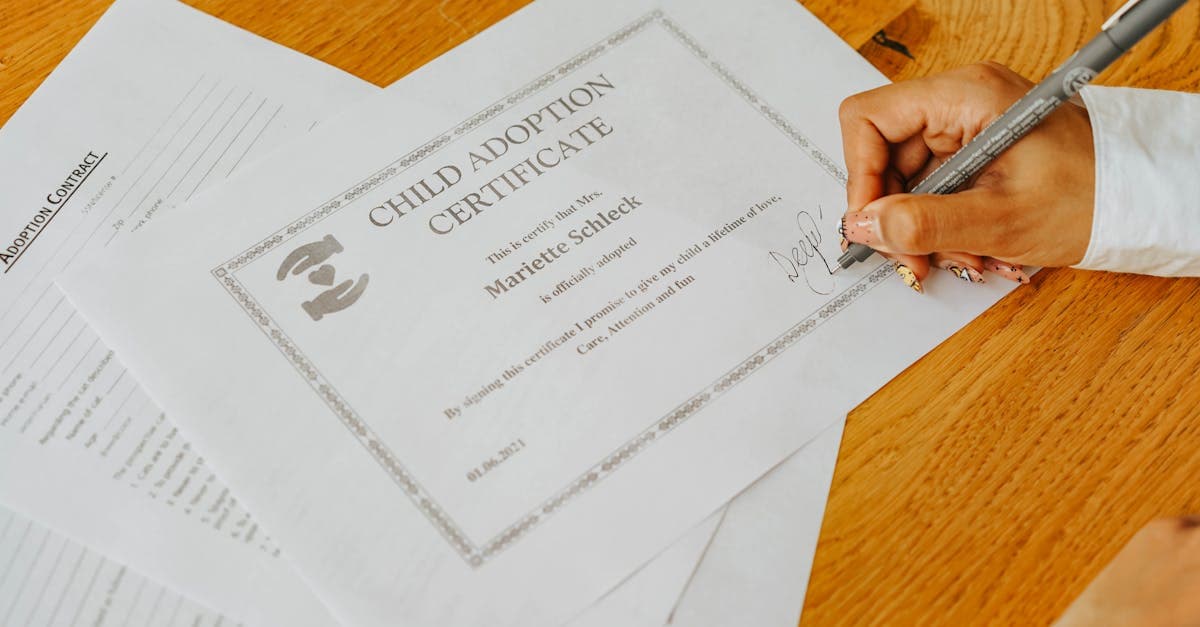
For creators, the most useful contracts are usually the simplest ones: collaboration agreements, agency terms, and photographer or videographer releases. Each document solves a different problem. Together they reduce the chance that a successful project turns into a dispute later.
Why Creators Need Paper Trails
Creator business move fast, and fast businesses are prone to verbal shortcuts. A shoot is agreed in a DM. Payment is promised in a voice note. Usage rights are assumed because everyone seems to understand the plan. Then the project succeeds and nobody agrees on what was actually sold.
That is where a contract matters. It creates a written baseline before work begins. Even a short agreement can clarify who owns the files, when payment is due, whether the material can be reused, and what happens if one side changes the deal after production starts. Those details are boring only until they are disputed.
Written terms also protect the creator's time. If deadlines, revision limits, and deliverables are specified in advance, there is less room for scope creep. In a market where creators often work with photographers, editors, assistants, agencies, and collaborators at the same time, that clarity is worth real money.
The goal is not to turn every interaction into legal theater. It is to make sure the most common failures are already addressed before the first invoice goes out.
Collaboration Agreements
A collaboration agreement should answer four basic questions: what is being made, who is doing what, who pays whom, and who can use the finished material. That sounds simple, but simple is exactly what creators need. The document does not have to be long to be useful.
The key provisions usually include scope, deliverables, payment schedule, credit, cancellation terms, and usage rights. If the collaboration involves cross-posting or audience sharing, that should be spelled out too. The more public the collaboration, the more useful it is to define the approval process before anything is published.
Creators should also think about content archives. If one collaborator wants to reuse the footage later, the agreement should say whether that is allowed and under what conditions. Silent assumptions about reuse are one of the fastest ways to create conflict.
Even in friendly collaborations, a written agreement helps both sides stay aligned. Friendship is not a substitute for a paper trail. In creator businesses, it is often the exact thing that makes a paper trail necessary.
Agency Terms
Agency agreements need more care because they often control a larger slice of the business. A creator should know exactly what the agency is responsible for, what fees it charges, how revenue is split, and how either side can exit the relationship. If those points are vague, the creator may be handing over more control than intended.
The most important clauses are usually commission structure, payment timing, account access, performance expectations, and termination rights. The creator should know whether the agency can bind them to contracts, manage communications, or make pricing decisions. Those powers should not be implied. They should be written.
One common failure point is lock-in. Some agency deals look flexible at first and become difficult to exit later. The fix is straightforward: define notice periods, post-termination access, and what happens to subscriber data and creative assets when the relationship ends. Without those terms, the handoff can become messy fast.
Creators should also pay attention to data rights. If an agency is tracking subscribers, messaging history, or sales behavior, the creator needs to know whether that data remains accessible after the contract ends. Operational memory is part of the business.
Photographer and Videographer Releases
Media releases are especially important when the creator works with photographers, videographers, stylists, or other production partners. The release should cover who owns the raw files, who can edit them, where they can be used, and whether the collaborator can post them publicly or in a portfolio.
If the creator is paying for the shoot, they often expect broad usage rights. But that expectation should be written. A photographer may assume the images can be used only for a limited purpose, while the creator assumes full promotional rights. That mismatch is common and avoidable.
The release should also address confidentiality. In adult content work](/immigrant-creator-work-authorization), discretion can be commercially valuable. A clear clause about whether a collaborator may reveal the project, tag the creator, or share behind-the-scenes material prevents unnecessary exposure.
For video projects, it is smart to specify how outtakes, still frames, and unused clips are treated. Those assets can be valuable later, and the creator should know whether they are included in the deal or retained by the producer.
What Good Templates Protect
Good templates protect payment, ownership, and timing. They also protect the emotional energy of the creator because fewer conversations have to be negotiated in real time. That is a practical benefit, not a legal abstraction. The less uncertainty there is at the start, the fewer conflict points emerge later.
Creators who keep a small library of templates can move faster without giving up control. One template can handle standard collaborations, another can handle agency work, and another can handle production shoots. Those documents do not need to be ornate. They need to be clear and consistent.
The most valuable habit is to review every agreement before work begins, not after it is already underway. Once money and deliverables are in motion, disputes become harder to unwind. A contract keeps the project from relying on memory and goodwill alone.
Legal review is still worth considering for higher-value deals, but even without a lawyer on every small transaction, creators can protect themselves by using plain terms and keeping the scope narrow.
Simple Clauses That Prevent Problems
Some clauses do a lot of work for very little complexity. A payment clause tells both sides when money is due. A usage clause says where the content can appear. A cancellation clause defines what happens if one side backs out. Those three alone prevent a lot of friction.
The template should also name the deliverables with enough precision that everyone knows what was promised. "Content" is too vague. "Two edited short clips and five stills" is better. Specificity makes the agreement easier to enforce and easier to honor.
When to Get Legal Review
Not every agreement needs a lawyer, but certain deals do. If the contract involves large money, long-term access, shared ownership, or an agency relationship that changes control of the account, legal review is worth the cost. Those are the situations where a vague template can create expensive problems later.
Creators should also seek review when they do not understand a clause. That is the point of legal help, not after a problem has already started. A short consultation can often clarify whether the terms are standard or whether the deal needs a narrower scope.
Adult collaborations need more than a generic release. Agreements should address performer age verification, consent records, rights to explicit content, revocation boundaries, platform-permitted uses, model releases, payment timing, and 2257-style recordkeeping where applicable. A one-page template may be enough for a simple brand shoot, but not for explicit collaborations or agency rights transfers.
What This Means
Contracts are not a sign that creator work has become cold. They are a sign that the work has enough value to deserve structure. The more people involved in a project, the more useful that structure becomes.
The practical move is to keep a short set of templates for the deals you repeat most often, define usage and payment clearly, and refuse to start work on handshakes alone. Clear contracts make the business cleaner, safer, and much easier to scale.
They also keep the creator from negotiating the same basic terms over and over, which is one of the easiest ways to waste energy before the work even begins.
The result is not more paperwork for its own sake. It is less uncertainty, fewer misunderstandings, and a cleaner path from first message to paid work.
When the template is short, clear, and repeated, the contract becomes infrastructure instead of a hurdle.
It also makes collaboration feel less improvised, which is usually a sign the business has become more serious about how it works.
That seriousness pays off the first time a payment, usage right, or deadline would otherwise have turned into a dispute.
It is cheaper to settle expectations before the work starts than to repair them after the work has already created value.
That is why the best template is the one people can actually read, sign, and use without dragging the project into unnecessary ceremony.
The document should end the uncertainty, not create a new negotiation about the wording.
When that happens, the contract becomes a tool for moving work forward instead of a reason to stall it.
That is the standard worth aiming for: one page, plain language, and enough precision to prevent the obvious problems.
Anything more should earn its keep by solving a real risk, not by sounding formal.
Related Reading
Get the pulse, weekly.
Platform news, creator economy trends, and industry analysis — delivered every Friday.