Fansly Rolls Out Native AI Chatbot Tools — and Reshapes the DM Monetization Landscape
Fansly's new AI chatbot integration lets creators automate paid DMs at scale. Here's how it works, what it costs, and why it changes the monetization game.
Platform News & Analysis
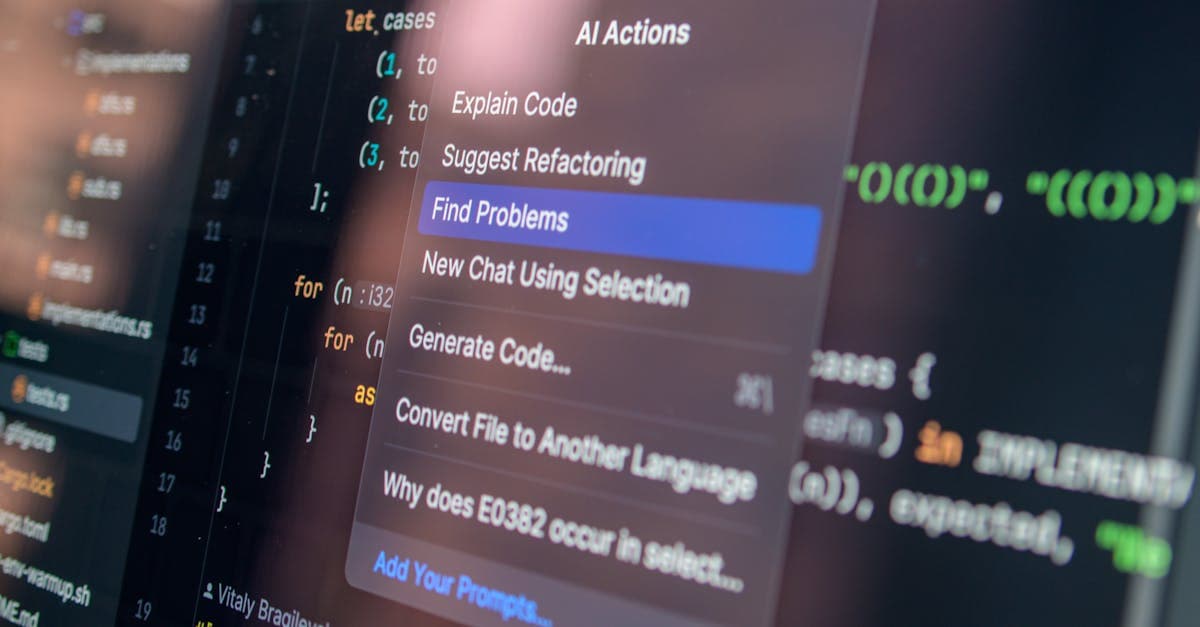
Fansly launched its native AI Chatbot Suite on March 24, making it the first major subscription platform to offer integrated AI-powered messaging tools directly inside the creator dashboard. The feature allows creators to train a chatbot on their messaging style, set automated response flows, and monetize DM interactions at scale — without third-party tools or API workarounds.
The move formalizes something that's been happening in a gray area for over a year. Creators across OnlyFans and Fansly have been using external tools like ChatPersona, Supercreator, and custom GPT wrappers to automate their direct messages. Fansly is now bringing that functionality in-house, with platform-level controls and a revenue-sharing model attached.
How the AI Chatbot Suite Works
Creators access the chatbot through a new "AI Assistant" panel in Fansly's dashboard. Setup involves three steps:
Training. Creators upload a minimum of 200 past DM exchanges. Fansly's system uses these to generate a messaging style profile — tone, vocabulary patterns, response length, emoji usage, and conversation escalation tendencies. Creators can fine-tune the output by approving or rejecting sample responses before the bot goes live.
Automation rules. Creators set parameters for when the AI responds versus when a human takeover is needed. Common configurations include: AI handles all initial greetings and small talk, AI manages tip-menu requests and PPV upsells during off-hours, and human-only mode for high-value subscribers (defined by spend threshold).
Monetization layer. The chatbot can send locked messages, PPV content, and tip prompts autonomously. Creators set pricing for each automated action. Fansly takes its standard 15% cut on all AI-generated revenue, the same as human-generated messages — no AI surcharge.
The Economics of AI-Assisted DMs
DM monetization has always been labor-intensive. A creator managing 500 active conversations might spend 4-6 hours daily on messaging — and that's with an agency team helping. The revenue potential is enormous (top creators report 40-60% of total income coming from DMs and PPV), but the time cost creates a hard ceiling on scale.
Fansly's internal beta, which ran with 340 creators from January through early March, produced specific results worth examining:
- Creators using the AI chatbot increased DM revenue by an average of 38% within the first 30 days.
- Average response time dropped from 4.2 hours to 11 minutes.
- Subscriber retention (measured as continued subscription after first renewal) improved by 7 percentage points for creators using AI-assisted messaging versus manual-only.
- Tip conversion rate on AI-sent messages averaged 12.3%, compared to 15.8% for human-sent messages — a meaningful gap, but one offset by the dramatically higher volume AI enables.
The math is clear. A creator who previously earned $4,000/month from DMs and spent 5 hours daily on messaging can now potentially earn $5,500/month while spending 1-2 hours on oversight and high-value conversations. The AI doesn't outperform the human on a per-message basis, but it obliterates the volume constraint.
The Authenticity Question
This is where it gets complicated. The creator economy is built on perceived intimacy. Subscribers pay — often generously — because they believe they're interacting with the creator directly. An AI chatbot, no matter how well-trained, introduces a layer of simulation into that relationship.
Fansly's terms of service require creators to disclose AI usage, but the implementation is subtle: a small bot icon appears next to AI-generated messages, visible only if the subscriber taps on the message details. It's disclosure in the technical sense, but not in the spirit of informed consent.
This matters because the DM economy is essentially a parasocial commerce engine. Subscribers are paying for attention — real or perceived. If AI-generated messages become widespread and subscribers begin to recognize the pattern (and they will), it could depress DM spending platform-wide.
There's already anecdotal evidence of backlash. A thread on the r/OnlyFansAdvice subreddit in March documented subscribers sharing screenshots of suspiciously similar messages from different creators — all using the same third-party chatbot service. The thread accumulated over 1,200 comments, many from subscribers saying they'd cancelled subscriptions after realizing they were "talking to a bot." Fansly's native tool will produce more varied output than the crude third-party bots, but the underlying risk is the same: the first creators to use AI will benefit from the efficiency. The last ones will face an audience that's already trained to spot — and resent — automated messages.
What OnlyFans Is Doing (and Not Doing)
OnlyFans has not announced equivalent AI chatbot tools. The platform's public position, reiterated at its creator summit in February, is that "authentic creator-subscriber interaction" is core to the OnlyFans experience.
Behind the scenes, the picture is more nuanced. OnlyFans has been quietly interviewing AI product managers and filed a patent application in late 2025 for "automated content recommendation and messaging assistance in creator-subscriber platforms." They're clearly working on something — the question is whether it launches as an overt AI chatbot or as a more subtle recommendation layer that helps creators respond faster without automating the response itself.
Meanwhile, OnlyFans continues to turn a blind eye to third-party chatbot tools. At least 15-20% of top-earning OnlyFans creators are using some form of AI-assisted messaging through external services, according to estimates from agency operators we've spoken with. OnlyFans' terms technically prohibit unauthorized automation, but enforcement has been nonexistent.
The Agency Implications
Creator management agencies are the ones most immediately affected by Fansly's move. Companies like Unruly Agency, NMG Management, and dozens of smaller operators have built their businesses on providing "chatters" — human message operators who manage creator DMs in shifts. Chatting team are typically the largest line item in agency operating costs.
If AI chatbots can handle 60-70% of DM interactions competently, agency staffing models change dramatically. Fewer human chatters means lower costs, but it also means the key service agencies provide — scaled DM monetization — becomes something creators can do themselves with a platform-native tool.
Agencies that survive this shift will likely reposition as AI training and optimization specialists: helping creators set up their bots, fine-tune response quality, and manage the human-AI handoff for high-value interactions. Agencies that are purely selling labor arbitrage — hiring low-cost chatters to manage expensive conversations — face a compression in their value proposition.
What Creators Should Do Now
If you're on Fansly: Test the AI chatbot with a controlled group of subscribers. Start with off-hours automation (handling messages while you sleep) before expanding to broader use. Monitor your tip conversion rates closely — if they drop more than 20% versus human messaging, your bot needs retraining.
If you're on OnlyFans: Keep using your existing workflow but watch this space closely. When OnlyFans launches its own AI tools — and it will — early adopters will have an advantage. In the meantime, understand that your Fansly competitors now have a significant efficiency edge.
If you run an agency: Start developing AI expertise immediately. The agencies that thrive in 2027 will be the ones that can manage AI-human hybrid workflows at scale, not the ones clinging to fully manual chatting operations.
The DM monetization landscape just changed. The creators and agencies that adapt fastest will capture the margin. Everyone else will be competing against machines that don't sleep, don't get tired, and don't need shift coverage.
Get the pulse, weekly.
Platform news, creator economy trends, and industry analysis — delivered every Friday.